
Scroll through any social platform, open a website, or check your email chances are the first thing that captures your attention is a video. This isn’t a coincidence. Modern consumers now spend hours each day watching online video content, making it one of the most dominant forms of digital media consumption. The question businesses must ask themselves is simple: if your audience is watching video, why isn’t your brand leading the conversation there?
For today’s marketers and business owners, attention has become the most valuable currency. With endless content competing for visibility, traditional text and static visuals often struggle to hold interest long enough to influence decisions. This is where video changes the game. Video combines storytelling, visuals, sound, and emotion creating an experience that captures attention quickly and keeps audiences engaged longer. More importantly, it moves viewers from interest to trust, and from trust to action.
The reality is that video is no longer a “nice-to-have” marketing add-on. It has become a core driver of engagement, search visibility, and measurable business growth. From improving SEO performance and increasing website conversion rates to strengthening brand authority, video consistently proves to be one of the highest-performing marketing assets available today.
In this guide, you’ll discover why video production is no longer optional for modern marketing success. We’ll break down the evidence behind its impact on engagement, search rankings, and return on investment while also addressing the most common concerns businesses have about cost, complexity, and implementation. The goal is simple: to give you the clarity and confidence needed to make smarter marketing decisions in an increasingly video-first digital world.
Drawing on years of digital marketing expertise and industry research, this guide provides practical insights that help businesses move beyond hesitation and start using video strategically turning attention into measurable results.
1. Unparalleled Audience Engagement & Retention
The Attention Economy: Video’s Dominance
In today’s digital landscape, attention is limited and competition for it is intense. Video has emerged as the most effective format for capturing that attention because it combines visual storytelling, sound, motion, and emotion in a single medium. Unlike static images or long blocks of text, video delivers information quickly while keeping viewers engaged.
The human brain processes visuals far faster than text, which is why moving images immediately draw focus. When motion, voice, music, and storytelling work together, the message becomes easier to understand and far more memorable. This multi-sensory experience explains why audiences often prefer watching a short video over reading a lengthy explanation.
Research supports this shift. According to recent industry studies from Wyzowl and HubSpot, a significant majority of consumers say they prefer learning about a product or service through video rather than text-based content. These findings highlight a simple truth for marketers: video meets audiences where their attention already is.
Expert Tip:
Prioritize storytelling before production perfection. A video with a clear message, relatable story, and authentic tone will often outperform a highly polished video that lacks meaningful content. Businesses should focus first on communicating value clearly, then gradually improve production quality as their video strategy evolves.
Longer Dwell Times and Deeper Interaction
One of the most valuable marketing benefits of video is its ability to keep users engaged for longer periods. When visitors watch a video on a webpage, they naturally spend more time on that page, increasing dwell time and reducing bounce rates. Both factors can contribute positively to user experience and overall site performance.
Video also creates opportunities for deeper interaction. Modern platforms allow marketers to integrate elements such as clickable calls-to-action, embedded forms, quizzes, or polls, turning passive viewers into active participants. This level of engagement helps guide users through the customer journey more effectively.
For example, many companies place short explainer videos on landing pages to help visitors quickly understand their products. Others create short, creative social media ads that capture attention within the first few seconds and encourage viewers to explore further. These formats not only hold attention but also make complex information easier to digest.
When used strategically, video becomes more than just content it becomes a powerful engagement engine that keeps audiences interested, informed, and ready to take the next step.
2. Significant Boost to SEO & Organic Visibility
Video’s Impact on Search Engine Rankings
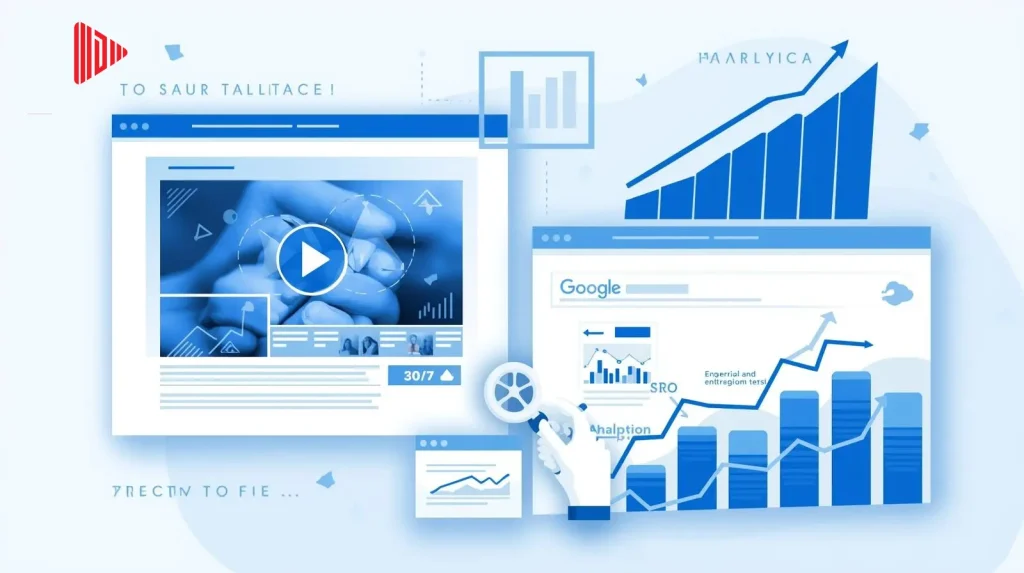
Search engines are constantly trying to deliver the most relevant and engaging content to users. Video helps signal exactly that. When a webpage includes video, it often indicates that the content provides richer information and a better user experience, which can positively influence how search engines evaluate the page.
Video content also increases your chances of appearing in high-visibility search features such as Google’s Video Carousels and sometimes even Featured Snippets. These placements attract more attention than standard text listings, allowing businesses to stand out in crowded search results.
The Hidden SEO Power of Video Beyond YouTube
Many businesses assume video SEO only matters on platforms like YouTube. In reality, embedding video on your own website can significantly strengthen your organic search performance. Videos on landing pages, product pages, and blog posts help search engines understand that your page offers comprehensive content.
For example, an explainer video placed on a service landing page can clarify complex offerings, while a short tutorial embedded in a blog post can enhance the value of educational content. This additional depth makes pages more useful for visitors something search engines increasingly reward.
Improved Click-Through Rates (CTR) & Reduced Bounce Rates
Video doesn’t just help pages rank it also improves how users interact with search results. Listings that include video often feature eye-catching thumbnails, which naturally draw attention and encourage clicks. When users see a visual preview of the content, they are more likely to engage with the result.
Once visitors arrive on the page, video helps keep them there longer. Instead of quickly scanning and leaving, viewers spend time watching the content, which increases engagement and reduces bounce rates. These behavioral signals can reinforce to search engines that the page satisfies user intent.
Expert Tip:
Treat thumbnails and headlines as the “gatekeepers” of your video strategy. Even a great video may struggle to gain views if the thumbnail and title fail to capture interest. Businesses should regularly A/B test thumbnails, headlines, and preview frames to identify combinations that drive higher click-through rates.
Leveraging Video for Local SEO
For local businesses, video can also strengthen visibility in geographically targeted searches. Adding videos to Google Business profiles, local listings, and location-based landing pages helps showcase services, build credibility, and increase user engagement.
A short introduction video, customer testimonial, or behind-the-scenes clip can make a business feel more trustworthy and approachable qualities that matter greatly for local search performance.
Real-World Example: Video Improving Organic Performance
Consider a mid-sized service company that added a two-minute explainer video to its primary service page. Before the update, the page relied solely on written content and images. After introducing the video, the company observed several measurable improvements within a few months:
- Visitors spent significantly more time on the page
- Bounce rates declined as users engaged with the video
- The page began appearing more frequently in relevant search queries
By combining helpful written content with a clear, concise video explanation, the company created a more complete user experience something both visitors and search engines responded to positively.
When implemented strategically, video doesn’t just enhance content it becomes a powerful driver of search visibility, higher engagement, and stronger organic growth.
3. Driving Higher Conversion Rates & Sales
Building Trust and Confidence Through Video
One of the biggest barriers in digital marketing is trust. When customers cannot physically interact with a product or meet a company in person, uncertainty often slows down buying decisions. Video helps bridge that gap by making brands feel more human, transparent, and credible.
Through visual storytelling, businesses can showcase real people, real products, and real experiences. Instead of simply reading claims about quality or service, potential customers can see the product in action, hear explanations directly from experts, and understand the value more clearly.
Testimonial videos are particularly powerful in this regard. Seeing satisfied customers talk about their experience creates strong social proof that written reviews often cannot match. A short testimonial showing how a product solved a real problem can significantly influence purchasing decisions because it feels authentic and relatable.
Expert Tip:
Encourage customers to share user-generated video content (UGC) about their experience with your product or service. Authentic videos recorded by real customers often perform extremely well because they feel genuine and trustworthy. They are also cost-effective and help build a stronger community around your brand.
Product Demos and Explainer Videos
Many products or services are difficult to explain through text alone. This is where explainer videos and product demonstrations become incredibly valuable. A short video can visually show how something works, highlight key benefits, and answer common questions in a matter of minutes.
For businesses offering complex services or technical products, this clarity can dramatically reduce confusion during the buying process. Instead of requiring customers to interpret written descriptions, video allows them to see the solution in action, which speeds up understanding and builds confidence.
By simplifying complicated ideas, product demo videos help reduce friction in the buyer’s journey. When potential customers fully understand what they are buying and how it benefits them, they are far more likely to move forward with a purchase or inquiry.
Video Across the Sales Funnel
Video is effective at every stage of the customer journey. At the top of the funnel, short and engaging clips on social media help introduce the brand and attract attention. In the middle of the funnel, educational videos, tutorials, and explainers help prospects evaluate options and understand the value of a solution.
At the decision stage, more detailed product walkthroughs, case studies, and testimonial videos help reassure buyers and encourage them to take the final step. When video content is strategically aligned with each stage of the funnel, it becomes a powerful driver of both engagement and conversions.
Expert Tip:
Calls-to-action should feel like a natural extension of the video rather than an abrupt sales pitch. Whether it’s encouraging viewers to book a consultation, download a guide, or explore a product page, the CTA should be clear, relevant, and seamlessly integrated into the narrative.
The Measurable Impact on Purchasing Decisions
Industry research consistently highlights the strong influence of video on consumer behavior. Studies from marketing research platforms such as Wyzowl and HubSpot show that a large percentage of consumers say video helps them better understand products and services, and many report that watching a product video directly influenced their purchasing decision.
Businesses also report higher lead generation and stronger conversion rates after adding video to landing pages or product pages. By combining visual explanation, emotional connection, and social proof, video reduces uncertainty and helps customers feel confident in their decisions.
For modern marketers focused on measurable results, this makes video one of the most effective tools for turning attention into real revenue growth.

4. Powerful Brand Building & Trust Cultivation
Video as a Digital Empathy Machine
In an online world dominated by automation, algorithms, and faceless interactions, businesses often struggle to create genuine human connections. Video solves this problem by acting as a powerful empathy bridge between brands and audiences.
Unlike text or static visuals, video communicates tone, emotion, facial expressions, and body language simultaneously. This combination allows viewers to feel a stronger connection with the people and stories behind a brand. Instead of appearing as a distant company, a business becomes recognizable, relatable, and trustworthy.
Through video, brands can communicate authenticity and transparency two qualities modern consumers increasingly value. When viewers see real people explaining products, sharing experiences, or demonstrating expertise, the brand feels more credible and approachable.
Showcasing Company Culture and Values
Video also provides a unique opportunity to reveal the human side of a business. Behind-the-scenes clips, employee interviews, and workplace highlights help audiences understand what a company stands for beyond its products or services.
For example, businesses often create short videos showing:
- A day in the life of their team
- The process behind product development
- Community initiatives or company values in action
These types of videos strengthen brand identity while making the company feel more relatable. Customers are far more likely to support brands that feel authentic and aligned with their values.
Fostering Emotional Connections
One of video’s greatest strengths is its ability to tell stories that evoke emotion. Through music, visuals, voice, and narrative, video can create moments that inspire, motivate, or resonate deeply with viewers.
When audiences emotionally connect with a brand story whether it’s a customer success story, a mission-driven message, or a meaningful brand narrative they remember it. More importantly, they begin to feel a sense of connection that goes beyond a simple transaction.
Over time, these emotional experiences contribute to stronger brand loyalty and even the formation of communities around shared beliefs and goals.
As marketing strategist Seth Godin has often emphasized, “People do not buy goods and services. They buy relations, stories, and magic.” Video is one of the most effective mediums for delivering that story-driven connection.
In a crowded digital marketplace where attention is scarce and trust is fragile, businesses that use video strategically gain a powerful advantage: the ability to build meaningful relationships, not just visibility.
5. The Ultimate Storytelling Medium
Crafting Immersive Narratives
Storytelling has always been at the heart of effective marketing. What makes video so powerful is its ability to combine visuals, sound, motion, and narrative into a single immersive experience. This multi-sensory format allows businesses to communicate ideas faster, more clearly, and more memorably than text alone.
Through video, a brand can show a problem, demonstrate a solution, and highlight the impact within seconds. Viewers don’t just read about the message they experience it visually and emotionally. This makes complex concepts easier to understand and far more engaging.
For example, a technical service that might require several paragraphs of explanation can often be clarified with a short explainer video showing exactly how the process works. The result is content that is easier to consume and far more memorable.
Humanizing Your Brand’s Message
Beyond clarity, storytelling through video allows brands to connect with audiences on a deeper level. Instead of focusing purely on product features, businesses can communicate why their solution matters and how it improves people’s lives.
A well-crafted video story might show a customer overcoming a challenge, a team working passionately behind the scenes, or the journey that inspired the creation of a product. These narratives move beyond basic marketing claims and highlight the real-world benefits and emotional impact of a brand.
This approach humanizes the brand’s message and helps audiences feel personally connected to the story being told. When viewers see themselves reflected in a story, they are far more likely to trust the brand and remember its message.
6. Versatility Across All Marketing Channels
Strategic Distribution for Maximum Reach
Creating a great video is only half the equation. To unlock its full marketing potential, businesses must also think strategically about how and where that video will be distributed. A well-produced video can serve multiple purposes across different platforms, allowing marketers to maximize return on their investment.
Expert Tip:
Never overlook distribution planning. Even the most compelling video will underperform if it isn’t delivered through the right channels. Businesses should design a distribution strategy that includes their website, blog, social platforms, email campaigns, and paid advertising, ensuring the content reaches audiences wherever they are most active.
Website & Blog Integration
Your website is one of the most valuable places to deploy video content. Embedding videos on landing pages, product pages, and blog articles can significantly enhance engagement by making complex information easier to understand.
For example, an explainer video placed at the top of a service page can quickly communicate value, while a short tutorial embedded in a blog post can keep readers engaged longer. These integrations help transform static pages into dynamic experiences that encourage visitors to stay, explore, and take action.
Social Media: A Video-Driven Ecosystem
Social media platforms have increasingly prioritized video, making it one of the most effective ways to reach audiences organically and through paid promotion.
Short-form videos are particularly powerful on platforms like TikTok, Instagram Reels, and YouTube Shorts, where quick, engaging clips capture attention in seconds. These formats are ideal for product highlights, quick tips, or brand storytelling designed for fast consumption.
Longer-form videos also perform well on platforms such as Facebook, LinkedIn, and dedicated YouTube channels, where audiences may be more willing to watch tutorials, interviews, product demonstrations, or educational content.
Expert Tip:
Optimize videos for sound-off viewing. Many users scroll through social feeds with their audio muted. Including captions, on-screen text, and clear visual storytelling ensures your message remains effective even without sound.
Email Marketing & Paid Advertising
Video can significantly strengthen email marketing campaigns. Adding video content to emails often increases engagement by giving recipients a compelling reason to click through and explore further.
Marketers commonly use video within email strategies for:
- Product launches and demonstrations
Educational tutorials or quick tips - Customer success stories and testimonials
Similarly, video advertising allows businesses to reach highly targeted audiences through platforms such as social media and search advertising networks. Because video combines storytelling with visual demonstration, it often delivers stronger engagement and higher conversion potential compared to static ads.
Marketing automation platforms such as HubSpot, Mailchimp, and ActiveCampaign make it easier to integrate video into email campaigns, landing pages, and lead nurturing sequences. These tools allow marketers to track engagement metrics, personalize messaging, and deliver video content at the most relevant stage of the customer journey.
When used across multiple channels strategically, video becomes more than just a single piece of content it becomes a versatile marketing asset that amplifies reach, engagement, and results across the entire digital ecosystem.

7. Enhanced Accessibility & Inclusivity
Reaching a Broader Audience
Effective marketing is not only about reaching more people it’s also about ensuring that your content is accessible to everyone. Video, when designed thoughtfully, can significantly improve accessibility and allow businesses to communicate with a broader and more diverse audience.
Features such as captions, transcripts, and audio descriptions make video content easier to consume for individuals with hearing or visual impairments. Captions allow viewers who are deaf or hard of hearing to understand spoken dialogue, while transcripts provide a written version of the entire video for those who prefer reading or require assistive technologies.
Audio descriptions can also be valuable in certain contexts, explaining important visual elements for viewers with visual impairments. These additions ensure that your content remains inclusive while maintaining clarity for all audiences.
Beyond accessibility needs, captions also benefit everyday viewers. Many people watch videos in environments where audio isn’t practical such as public spaces or workplaces making captions essential for maintaining engagement.
SEO Benefits of Accessibility Features
Accessibility features do more than support inclusivity; they also enhance search visibility. Video transcripts, for example, provide crawlable text that search engines can index, helping them better understand the content of the video.
This additional text content can strengthen keyword relevance and improve the likelihood of appearing in search results. At the same time, transcripts allow visitors to quickly scan information, making the content more usable for users who prefer reading over watching.
Improved accessibility often leads to a better overall user experience. When visitors can easily consume content in the format that suits them best whether through watching, reading captions, or reviewing transcripts they are more likely to stay engaged and interact with the brand.
Expert Tip:
Consider accessibility from the very beginning of the video production process. Always include accurate captions, full transcripts, and when appropriate, audio descriptions. This approach not only makes your content accessible to a wider audience but also strengthens your SEO performance and improves the overall user experience.
8. Actionable Analytics & Measurable ROI
Tracking Video Performance Metrics
One of the greatest advantages of video marketing today is its measurability. Unlike traditional advertising, modern video platforms provide detailed insights that allow marketers to understand exactly how audiences interact with their content.
Key metrics commonly tracked include:
- Views: The number of times the video has been watched.
- Watch Time: How long viewers stay engaged with the video.
- Engagement Rate: Interactions such as likes, shares, comments, and reactions.
- Click-Through Rate (CTR): How many viewers take action after watching.
- Conversions: Leads, sign-ups, or purchases generated by the video.
By analyzing these metrics, marketers can determine what type of content resonates most with their audience and which videos drive meaningful business outcomes.
Platforms such as YouTube Analytics, Vimeo Analytics, and Google Analytics integrations provide detailed performance reports. These tools help businesses measure how video contributes to website engagement, lead generation, and overall marketing performance.
Optimizing for Continuous Improvement
Video marketing is not a one-time effort it is an ongoing process of learning and improvement. Performance data allows marketers to refine their content strategy and produce videos that better match audience behavior.
Expert Tip:
Analyze viewer retention graphs carefully. These reports reveal exact moments when viewers stop watching or lose interest. Identifying these drop-off points helps marketers adjust pacing, messaging, or visual structure in future videos to maintain stronger engagement.
By using data to guide decisions, businesses can continuously improve their video strategy. Over time, this iterative approach leads to more effective content and stronger results.
Demonstrating Clear Return on Investment (ROI)
For many business owners and marketing managers, the biggest question about video production is cost. However, when measured correctly, video often delivers strong returns relative to its investment.
Video campaigns can be directly linked to outcomes such as:
- Increased website traffic
- Higher lead generation
- Improved product understanding
- Stronger conversion rates
- Greater brand awareness and recall
To better understand the investment, it helps to look at typical cost ranges for different video formats alongside their potential impact.
Video Type | Typical Use Case | Estimated Investment | Potential ROI Impact |
Short Social Clips | Social media engagement and brand awareness | Low | High reach and audience growth |
Explainer Videos | Explaining services or products | Moderate | Increased conversions on landing pages |
Testimonial Videos | Social proof and trust building | Moderate | Strong influence on purchasing decisions |
Brand Story Videos | Brand positioning and emotional connection | Higher | Long-term brand loyalty and authority |
While costs vary depending on production quality and scope, many businesses find that a single effective video can generate value across multiple marketing channels simultaneously.
To further refine results, marketers often rely on A/B testing platforms such as Optimizely or Google Optimize. These tools allow businesses to compare different video versions, thumbnails, or placements against other content formats to determine which performs best.
When backed by analytics and continuous testing, video becomes more than a creative asset it becomes a data-driven marketing tool capable of delivering clear, measurable return on investment.
9. Common Video Production Objections
Despite the clear benefits of video marketing, many businesses hesitate to invest in it due to concerns about cost, complexity, or lack of expertise. The good news is that modern video production has become far more accessible and flexible than it once was. By understanding practical solutions to these concerns, businesses can confidently begin integrating video into their marketing strategy.
“It’s Too Expensive!”
One of the most common misconceptions about video production is that it requires large budgets and professional studios. While high-end productions certainly exist, effective marketing videos can also be created with simple, scalable resources.
Many successful businesses start with:
- Smartphone-recorded videos
- Customer-generated content
- Simple screen recordings or tutorials
- Budget-friendly editing tools
Expert Tip:
Start small and scale up. Short social media clips, quick FAQ videos, or behind-the-scenes content are excellent entry points. These formats allow businesses to test what resonates with their audience before investing in larger productions.
User-friendly editing tools such as DaVinci Resolve, CapCut, and InVideo make it possible to produce professional-looking content even without extensive technical expertise or large budgets.
“It’s Too Complex or Time-Consuming!”
Another concern is that video production requires significant time and effort. In reality, many businesses streamline their workflow by repurposing content across multiple platforms.
For example, a single long-form video can be transformed into:
- Short clips for social media
- GIF snippets for email campaigns
- Audiograms for podcast promotion
- Quote graphics or images for blog posts
Expert Tip:
Repurpose your content strategically. By breaking down longer videos into multiple formats, businesses can extend the lifespan of each video while maximizing return on the original production effort.
Templates, freelance video editors, and online tutorials also make the production process faster and easier than ever before.

“We Don’t Have the Resources or Expertise!”
Many organizations assume they need a dedicated production team before starting video marketing. In reality, businesses can begin developing video capabilities gradually.
Companies often adopt a hybrid approach by:
- Training internal team members to create simple videos
- Collaborating with freelancers or creative agencies
- Learning through online courses and tutorials
Over time, this allows organizations to build internal expertise while maintaining flexibility.
The Video Marketing Maturity Model
Businesses can think of their video capabilities as evolving through stages:
- Beginner Stage (DIY Content):
Smartphone videos, basic editing, and simple social media clips. - Growth Stage (Structured Strategy):
Regular video publishing, improved storytelling, and better editing tools. - Advanced Stage (Professional Production):
High-quality brand videos, professional production teams, and data-driven video campaigns.
This progression provides a clear roadmap, allowing companies to start simple and scale their video marketing as their confidence and resources grow.
“What Type of Video Should We Even Create?”
Another challenge for marketers is deciding which video format best fits their objectives. The right video type depends largely on the business goal.
A simplified decision framework might look like this:
- Goal: Build Awareness
→ Short social media videos or brand storytelling clips. - Goal: Educate Your Audience
→ Explainer videos, tutorials, or how-to guides. - Goal: Build Trust
→ Customer testimonials or case study videos. - Goal: Drive Conversions
→ Product demos, walkthroughs, or comparison videos. - Goal: Engage Community
→ Live streams, behind-the-scenes videos, or interactive Q&A sessions.
By aligning video format with specific marketing objectives, businesses can ensure their content supports clear outcomes rather than simply producing video for the sake of it.
Ultimately, most concerns about video production stem from outdated assumptions. With today’s tools, platforms, and scalable production options, video is more accessible than ever and businesses that start now gain a valuable advantage in an increasingly video-driven digital marketplace.
10. Crucial Video Marketing Statistics
The rapid rise of video marketing is not based on assumptions it is backed by strong industry data. Numerous studies consistently show that video content significantly improves engagement, search visibility, and purchasing decisions.
Statistic | Impact on Marketing | Source / Year |
86% of businesses use video as a marketing tool. | Demonstrates that video has become a mainstream marketing strategy and is now essential for staying competitive. | Wyzowl, 2023 |
Video can increase organic traffic by up to 157%. | Shows the strong influence video can have on SEO performance and search visibility. | Search Engine Watch |
88% of users say watching a brand’s video convinced them to buy a product or service. | Highlights the powerful role video plays in influencing purchasing decisions and increasing conversions. | Wyzowl, 2023 |
Viewers retain 95% of a message when they watch it in a video compared to about 10% when reading text. | Demonstrates how video dramatically improves message recall and audience engagement. | Insivia |
The average person spends around 100 minutes per day watching online videos. | Reinforces how deeply video is integrated into modern digital habits and consumer behavior. | Statista, 2023 |
Taken together, these statistics illustrate a clear reality: video is no longer an optional marketing experiment it is a proven driver of visibility, engagement, and revenue growth in the modern digital landscape.
Conclusion Embrace the Video Imperative
The Indispensable Role of Video in Modern Marketing
Across every stage of the digital customer journey, video has proven itself to be one of the most powerful marketing tools available today. From capturing attention to driving conversions, its impact is both broad and measurable.
Throughout this guide, we explored how video helps businesses:
- Capture and hold audience attention in an increasingly crowded digital landscape.
- Strengthen SEO and organic visibility, helping brands stand out in search results.
- Increase conversions and sales by building trust and clearly demonstrating value.
- Build stronger brands through authentic storytelling and emotional connection.
- Simplify complex messages through engaging visual narratives.
- Reach audiences across multiple channels, including websites, social media, email, and advertising platforms.
- Improve accessibility and inclusivity, ensuring content reaches a wider audience.
- Measure performance and ROI, allowing marketers to continuously optimize their strategy.
These benefits collectively explain why video has moved from being a marketing experiment to becoming a core component of successful digital strategies.
From Production Fear to Marketing Powerhouse
Many businesses hesitate to adopt video because they assume it requires large budgets, specialized skills, or complex production processes. However, as we’ve seen, the reality is far more encouraging.
Video marketing today is scalable. Organizations can start with simple formats such as short social clips, FAQ videos, or customer testimonials and gradually evolve toward more sophisticated content as their confidence and capabilities grow.
By overcoming initial hesitation and experimenting strategically, businesses often discover that video quickly transforms into one of their most effective marketing assets, capable of driving engagement, credibility, and long-term growth.
The Future of Marketing Is Video-Centric
Looking ahead, video will only become more influential as new technologies continue to reshape digital communication. Emerging innovations are already expanding what video marketing can achieve.
Artificial intelligence is making video creation faster and more accessible, allowing marketers to produce high-quality content more efficiently. Personalized video experiences are helping brands deliver messages tailored to individual customers, increasing relevance and engagement. Interactive video formats where viewers can click, explore, or choose different paths are also creating more immersive marketing experiences.
These innovations signal a clear direction: the future of marketing will be increasingly visual, interactive, and video-driven.
Ready to Turn Video Into Your Most Powerful Marketing Asset?
Frequently Asked Questions About Video Production in Marketing
What is video production in digital marketing?
Video production in digital marketing refers to the process of creating video content designed to promote products, explain services, build brand awareness, and engage audiences across platforms such as websites, social media, and advertising campaigns.
Why is video important for modern marketing?
Video is important because it combines visuals, storytelling, and information in a format that captures attention quickly. It increases engagement, improves SEO performance, and helps businesses communicate complex ideas more effectively than text alone.
Does video content improve SEO rankings?
Yes. Video can improve SEO by increasing user engagement, dwell time, and click-through rates. Search engines also prioritize rich media content, which means pages with embedded videos may perform better in search results.
How does video increase website engagement?
Video keeps visitors on a page longer and makes content easier to understand. Explainer videos, product demos, and tutorials encourage users to interact with the page instead of quickly leaving.
What types of videos work best for marketing?
Some of the most effective marketing videos include:
Explainer videos
Product demonstrations
Customer testimonials
Educational tutorials
Brand storytelling videos
Social media short-form videos
These formats help businesses communicate value while building trust with potential customers.
Can small businesses benefit from video marketing?
Absolutely. Video marketing is highly effective for small businesses because it helps them compete with larger brands by increasing visibility, building credibility, and improving customer engagement online.
How long should a marketing video be?
The ideal length depends on the platform and goal:
Social media videos: 15–60 seconds
Explainer videos: 60–120 seconds
Educational videos: 2–5 minutes
Shorter videos often perform better for engagement, while longer videos are useful for in-depth explanations.